Understanding the Role of Industrial VFDs in Permanent Magnet Synchronous Motors
At its core, a VFD adjusts the frequency and voltage supplied to an electric motor, allowing for precise control of motor speed and torque. This capability is particularly vital in applications requiring varying speeds, such as conveyor systems, pumps, and fans. The VFD achieves this by converting the fixed frequency of the power supply into a variable frequency, enabling smooth acceleration and deceleration, and thus preventing mechanical wear.
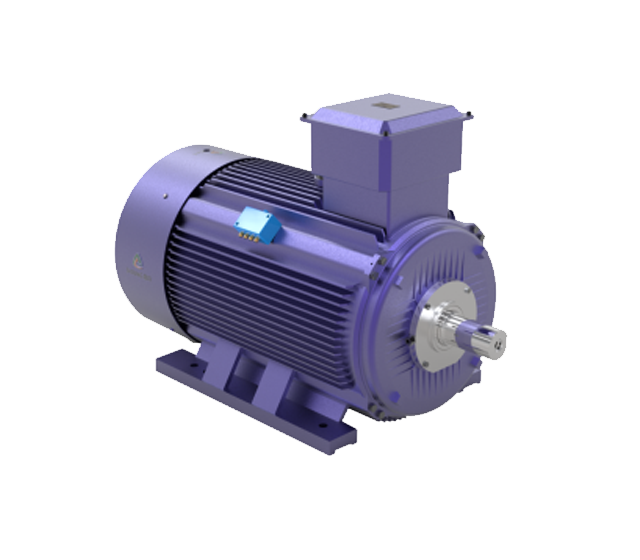
One of the key benefits of using industrial VFDs with PMSMs is energy savings. By adjusting the motor speed to match the actual load requirements, businesses can significantly reduce energy consumption. This not only lowers operational costs but also contributes to a more sustainable approach to energy use. Furthermore, the precise control offered by VFDs enhances system reliability and reduces maintenance needs, as the gradual acceleration and deceleration minimize mechanical stress on components.
Another important aspect is the integration of advanced control strategies. Modern VFDs can employ sophisticated algorithms for real-time monitoring and control of PMSMs, enabling features such as vector control and direct torque control. These strategies enhance operational efficiency and responsiveness, making them suitable for high-performance applications in manufacturing, robotics, and HVAC systems.
In summary, the collaboration between industrial VFDs and permanent magnet synchronous motors is transforming how industries approach motor control. By leveraging the benefits of both technologies, companies can achieve higher efficiency, better performance, and reduced operational costs. Understanding this relationship is crucial for professionals in the electrical engineering field, as it opens avenues for innovation and improved practices in motor management. Embracing VFDs and PMSMs can lead to a more efficient and sustainable future in industrial applications.


评论
发表评论