Understanding VFDs for Permanent Magnet Motors: A Comprehensive Guide
Variable Frequency Drives (VFDs) have revolutionized the operation of electric motors by allowing for precise speed control and improved energy efficiency. When integrated with permanent magnet motors (PMMs), VFDs unlock a new realm of possibilities, significantly enhancing performance and operational capabilities.
Permanent magnet motors employ magnets to generate a magnetic field, which eliminates the need for electrical energy to create the field. This design enables PMMs to achieve higher efficiencies and better torque characteristics compared to traditional induction motors. However, to harness their full potential, the integration of a VFD is essential.
One of the primary advantages of using VFDs with permanent magnet motors is the ability to control the motor speed and torque accurately. VFDs adjust the frequency and voltage supplied to the motor, allowing for smooth acceleration and deceleration without mechanical stress on components. This capability is particularly beneficial in applications requiring variable speed operations, such as conveyor systems, pumps, and fans.
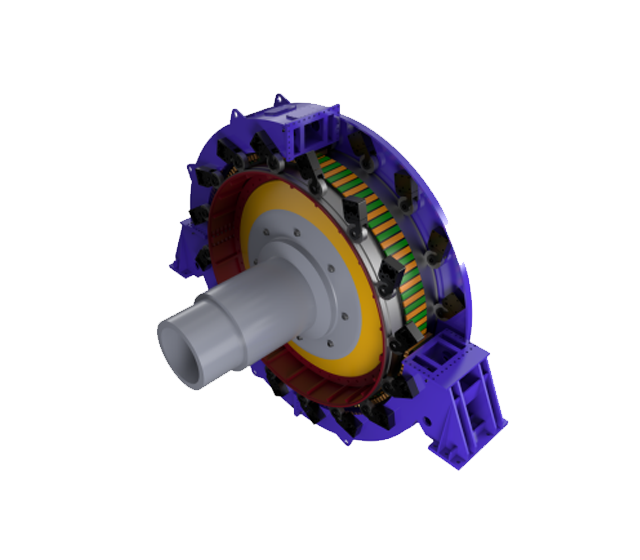
Moreover, VFDs enhance energy savings when paired with PMMs. Since VFDs adjust the power supplied to the motor according to the load requirements, they can significantly reduce energy consumption during partial load conditions. This is especially important in industries where motors run for extended periods, as even small percentage savings can lead to substantial cost reductions over time.
Additionally, the integration of VFDs with PMMs improves system reliability and lifespan. The soft-start feature of VFDs prevents the mechanical shocks that occur with direct-on-line starting, reducing wear and tear on the motor and associated drive components. This not only enhances the performance of the permanent magnet motor but also extends maintenance intervals, contributing to lower operational costs.
It's also worth noting that while VFDs offer numerous benefits, there are considerations to keep in mind. Proper selection of the VFD is crucial, as not all VFDs are designed to work seamlessly with permanent magnet motors. Features such as field-oriented control (FOC) and tuned voltage-to-frequency ratios are essential for optimal performance. Additionally, attention must be given to the cooling requirements and potential harmonics introduced by the VFD, which can affect system efficiency and performance.
In summary, utilizing VFDs for permanent magnet motors presents a multitude of benefits including enhanced control, energy efficiency, and extended lifespan. Understanding these systems allows professionals in the electrical and engineering fields to make informed decisions that maximize performance and reduce costs in industrial applications. As technology continues to evolve, the synergy between VFDs and permanent magnet motors promises to be a cornerstone of modern motor control solutions.


评论
发表评论