Unlocking Durability: The Essential Role of Railway Bearings
Railway systems are the backbone of transportation infrastructure, facilitating the movement of goods and passengers across vast distances. At the heart of these complex systems lies the often-overlooked component: railway bearings. These essential elements play a pivotal role in ensuring that trains operate smoothly, efficiently, and safely. In this comprehensive guide, we explore the critical importance of railway bearings, their types, maintenance, and the future of this vital industry component.
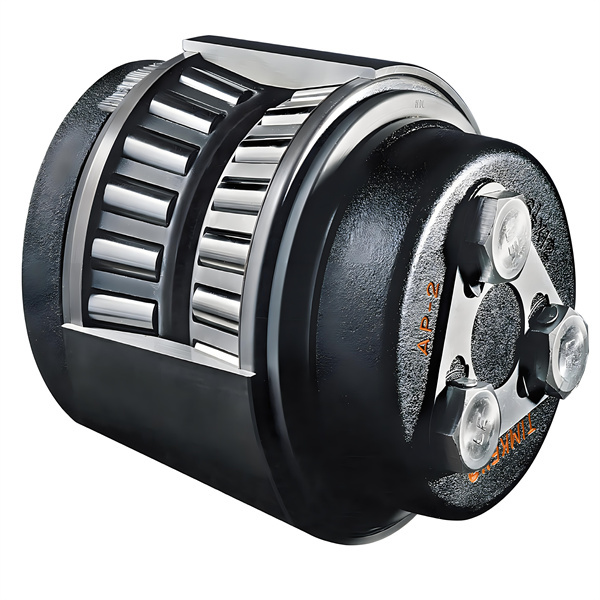
The Importance of Railway Bearings in Modern Rail Systems
Railway bearings serve as the essential connection between the wheels of a train and the rail tracks. They bear the load of the train, allowing for smooth movement and minimizing friction. This section highlights the significance of railway bearings in maintaining the overall functionality and longevity of rail systems.
Understanding Railway Bearings: Types and Applications
There are several types of railway bearings, each designed for specific applications and conditions. Understanding these variations is crucial for selecting the right bearing for a particular railway system.
1. Roller Bearings
Roller bearings are widely used in railway applications due to their ability to handle heavy loads and provide excellent stability. They feature cylindrical rollers that reduce friction and enhance load distribution.
2. Ball Bearings
Ball bearings are another common type, primarily used in lighter rail systems. They consist of balls that roll between inner and outer races, providing a smooth operation with minimal friction.
3. Tapered Bearings
Tapered bearings are designed to accommodate both radial and axial loads, making them ideal for high-speed trains. Their unique shape allows for better load distribution and enhanced durability.
4. Spherical Bearings
Spherical bearings are utilized in applications where misalignment may occur. Their design allows for angular movement, making them suitable for various railway components.
How Railway Bearings Contribute to System Efficiency
Railway bearings directly influence the efficiency of rail operations. A well-functioning bearing can significantly reduce maintenance costs, increase speed, and enhance fuel efficiency.
Minimizing Friction and Wear
One of the primary functions of railway bearings is to minimize friction between moving parts. By reducing wear, bearings extend the lifespan of railway components, leading to lower maintenance costs and improved reliability.
Enhancing Speed and Performance
High-quality bearings enable trains to operate at higher speeds without compromising safety. The smooth operation facilitated by these bearings reduces energy consumption, resulting in more efficient fuel use.
Maintenance Practices for Railway Bearings
Regular maintenance is essential to prolong the lifespan of railway bearings and ensure optimal performance. This section outlines effective maintenance practices and strategies.
1. Routine Inspections
Conducting regular inspections is critical for identifying wear and tear before they lead to significant failures. Inspectors should check for signs of corrosion, misalignment, and lubrication deficiencies.
2. Lubrication Techniques
Proper lubrication is vital for reducing friction and preventing overheating. Railway operators should implement advanced lubrication techniques, such as automatic lubrication systems, to ensure bearings receive adequate oil or grease.
3. Monitoring Technologies
Utilizing monitoring technologies, such as vibration analysis and temperature sensing, can provide real-time data on bearing performance. This data allows for proactive maintenance, minimizing unexpected downtimes.
Innovations Shaping the Future of Railway Bearings
Technological advancements continuously reshape the railway industry, particularly in bearing design and materials. This section highlights key innovations that are enhancing the performance and durability of railway bearings.
1. Advanced Materials
The development of advanced materials, such as composite and ceramic materials, offers improved wear resistance and weight reduction. These materials contribute to the efficiency and longevity of railway bearings.
2. Smart Bearings
Smart bearings equipped with sensors can monitor performance metrics and provide valuable insights into operating conditions. These innovations enable predictive maintenance, reducing the risk of failure and enhancing safety.
3. Eco-Friendly Solutions
The push for sustainability has led to the development of eco-friendly bearings that minimize environmental impact. These bearings use biodegradable lubricants and materials that reduce pollution and enhance recyclability.
Choosing the Right Railway Bearings
Selecting the appropriate bearings for a railway system is crucial for maximizing performance and safety. This section provides guidance on making informed decisions.
1. Assessing Load Requirements
Understanding the specific load requirements is critical when choosing railway bearings. Operators must consider factors such as train weight, speed, and track conditions to make an informed choice.
2. Evaluating Environmental Conditions
Railway bearings must be able to withstand various environmental conditions, including extreme temperatures, humidity, and exposure to contaminants. Selecting bearings that are designed for these conditions is essential for reliable operation.
3. Long-Term Cost Considerations
While initial costs are important, operators should also consider the long-term costs associated with maintenance and replacement. Investing in high-quality bearings can lead to significant savings over time.
Railway bearings are indispensable components that unlock the durability and efficiency of railway systems. By understanding the various types of bearings, their maintenance needs, and the innovations driving their development, railway operators can enhance performance and safety while reducing costs. As the industry continues to evolve, investing in high-quality, advanced railway bearings will be crucial for sustaining the future of rail transportation.


评论
发表评论